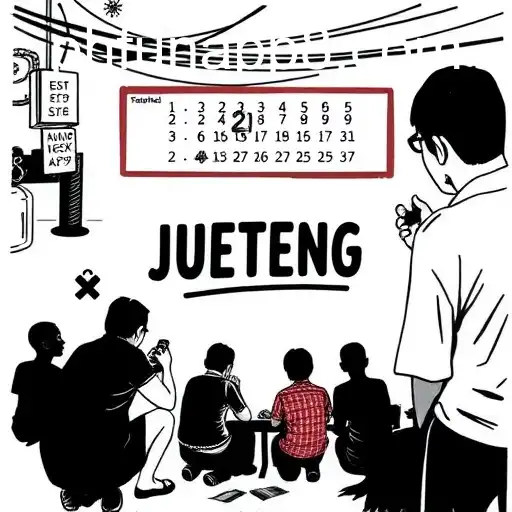
Understanding Jueteng: A Filipino Phenomenon
Jueteng, a popular and controversial numbers game, holds a significant place in the cultural and social landscape of the Philippines. This grassroots activity, often viewed through the lens of legality and morality, has been a staple in Filipino society for decades. Despite numerous government crackdowns and societal frowns, Jueteng thrives, enticing individuals across social strata to partake in its allure.
The Mechanics of Jueteng
Jueteng's appeal lies in its simplicity. Participants select a combination of numbers between 1 and 37. Bets are placed, and a draw is held, usually twice daily, to pick the winning numbers. The draw is often conducted in secrecy, and the results are disseminated through a well-established network of operators and bet collectors or "cobradores." While outsiders may find the mechanics straightforward, it is the structure and unspoken rules governing Jueteng that make it both deeply ingrained and challenging to eradicate.
Cultural and Economic Significance
The persistence of Jueteng speaks volumes about its cultural significance. It is more than just a game; for many Filipinos, it embodies hope and an aspiration for betterment. The stakes are usually low, making it accessible to the masses, with the promise of a windfall keeping hopes alive. Economically, Jueteng supports an extensive network of individuals who rely on it for their livelihood. The hierarchy within Jueteng ranges from small-time bet collectors to influential "financiers" who operate in anonymity. This clandestine yet open syndicate has given rise to a shadow economy that, despite its illegality, fills the gap left by mainstream economic activities.
Jueteng and the Law
The legal status of Jueteng is a gray area, steeped in historical leniency and complexity. While officially illegal, enforcement is sporadic, and often marred by allegations of corruption. This ambivalence extends to the populace, for whom Jueteng, despite its dubious legal standing, is seen as a benign activity compared to other crimes.
Technological Influence: The Rise of the phfun app
In recent years, technological advancements have begun to influence traditional gambling activities, and Jueteng is no exception. The emergence of platforms such as the phfun app has introduced digital dimensions to these traditional activities. The app provides a convenient and discreet way for individuals to engage in various games, incorporating elements reminiscent of Jueteng. While it doesn't replace the traditional mode of Jueteng, the phfun app attracts a tech-savvy demographic that appreciates digital interaction.
Social Implications
Jueteng's tentacles extend into the social fabric, influencing politics, economics, and everyday life. Politicians have notoriously leveraged Jueteng to fund campaigns, while local communities have developed an intricate dependency on the economic benefits derived from it. Additionally, it serves as a unifying factor for participants, bringing together diverse individuals under a common enterprise.
Challenges in Eradication
Attempts to eradicate Jueteng face numerous obstacles, chiefly its deep-rooted acceptance within Filipino communities. The lucrative nature of the operations also implies that any attempts at dismantling face resistance not just from operators but from those who unwittingly benefit from the system's persistence. Furthermore, the lack of widespread economic opportunities exacerbates reliance on such activities.
The Path Forward
Addressing the challenges posed by Jueteng requires a multifaceted approach that goes beyond mere enforcement. Legal reforms, coupled with socio-economic initiatives that provide viable alternatives to communities reliant on Jueteng, are essential. Additionally, fostering transparency and strengthening institutions are critical to curbing the systemic issue of corruption linked to the activity.
While the landscape of Jueteng continues to evolve, especially with the rising influence of technology like the phfun app, its cultural essence remains. As a reflection of societal aspirations and economic necessity, Jueteng poses tough questions about legality, morality, and survival in a complex socio-economic tapestry. It is these questions that policymakers, citizens, and stakeholders must address as they forge a path towards not only eradicating illegal gambling but empowering communities with sustainable alternatives.